
16 March 2026 · 4 min read
How to Clean and Maintain Leather Furniture in Singapore's Humidity
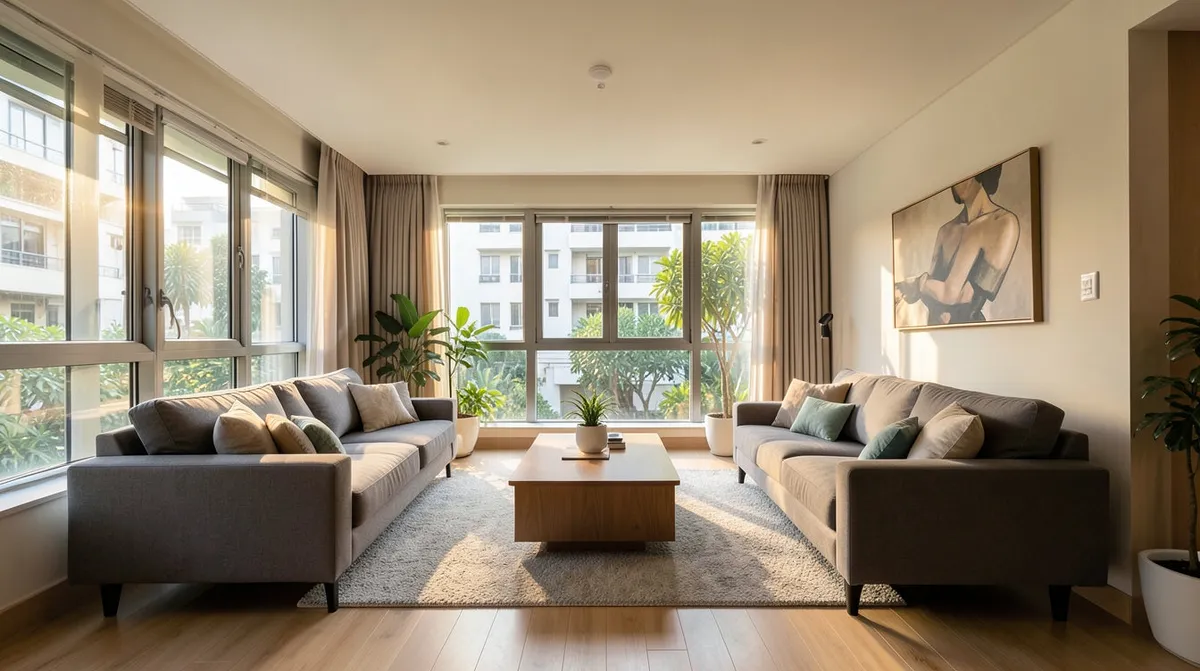
Owning a beautiful top-grain leather sofa in Singapore is an investment in something that should last. But keeping that buttery-soft texture in a climate known for 80% humidity and serious tropical heat takes a bit of know-how. Skip the maintenance and leather can dry out, crack, or worse, grow ugly green mould during monsoon season.
Whether you just bought a stunning new 3-seater for your condo, or you're trying to bring an older piece back from the brink in a resale HDB, looking after leather in the tropics doesn't need to be a chore. Here's the no-fluff guide to keeping your leather furniture supple and mould-free all year round.
Table of Contents
- Why Singapore's Climate is Tough on Leather
- Routine Cleaning: The Weekly Dust-Off
- Conditioning: The Secret to Preventing Cracks
- Singapore-Specific Tips: Fighting Mold & Humidity
- Common Mistakes to Avoid
- Quick Checklist: Leather Sofa Maintenance
- FAQs
- Related Reads
- Next Steps & Recommendations
Why Singapore's Climate is Tough on Leather
Leather is essentially a natural skin. Run the air-con constantly and it dries out fast, leading to tiny cracks. Leave a room warm and unventilated for days, like when you're away on holiday, and the material soaks up moisture instead, which is exactly what mould spores are waiting for.
[Image: close-up photo, applying a leather conditioning cream with a microfiber cloth]
Routine Cleaning: The Weekly Dust-Off
Dust is mildly abrasive. Leave it sitting and every time you sit down you're grinding it into the leather finish.
- Vacuum weekly: Use a soft brush attachment to get into the crevices.
- Wipe down: Run a slightly damp (never soaking) microfiber cloth over the whole surface to lift off body oils and sweat salts.
Is your old sofa beyond saving?
If your leather has deep cracks or peeling PU layers, it might be time to upgrade. We carry leather sofas built for the tropics.
Conditioning: The Secret to Preventing Cracks
Just like your skin needs moisturiser, leather needs conditioning. Apply a good water-based leather conditioner every 3 to 6 months. Skip thick waxes or saddle soap, they seal the pores and stop the leather "breathing" in our tropical heat.
Singapore-Specific Tips: Fighting Mold & Humidity
- Ventilation is Key: Open your living room windows for at least 30 minutes a day to clear stagnant, damp air out of the BTO or condo.
- Use Dehumidifiers: Run a small dehumidifier near the sofa during the wet December and January monsoon months.
- Avoid Direct Sunlight: UV through HDB windows fades and dries leather quickly. Draw thin day curtains during the peak afternoon heat.
Common Mistakes to Avoid
- Using harsh household cleaners: Dettol, bleach, or alcohol-based wet wipes strip the leather's protective topcoat almost instantly, ruining the dye underneath.
- Soaking wet cloths: Water marks on leather can be permanent. Always wring your cloth out until it's barely damp.
Quick Checklist: Leather Sofa Maintenance
Vacuum dust from crevices using a soft brush attachment.
Wipe with a barely-damp microfiber cloth weekly.
Keep the sofa out of harsh direct afternoon sun.
Apply a dedicated leather conditioner every 3-6 months.
Ventilate the room daily to keep mould away.
FAQs
1. What should I do if mold appears on my sofa?
Mix equal parts water and white vinegar. Lightly mist a cloth (never spray the sofa directly), gently wipe the mould away, then dry immediately with a clean towel.
2. Can I use baby wipes on my leather couch?
No, baby wipes often contain mild alkaline ingredients or alcohol that wear down the leather finish over time.
3. How long does a top-grain leather sofa last?
With proper care in our climate, easily 10 to 15 years.
4. Why is my "leather" sofa peeling?
Genuine leather doesn't peel. If yours is flaking, it's likely PU, bonded leather, or synthetic faux-leather reacting to our humidity.
5. Will leather feel too sticky without air conditioning?
Genuine natural leather breathes and adjusts to room temperature, unlike synthetics that trap heat and sweat.
Related Reads
- The Ultimate Guide to Choosing a Sofa for Pets in Singapore
- How to Choose the Perfect Sectional Sofa for Your Singapore Home
- How to Restore or Refresh Wooden Furniture
Next Steps
- Check your sofa for any dry patches or sun damage today.
- Pick up a good leather conditioner.
- If it's time for an upgrade, browse our Premium Leather Sofa Collection.
Explore our range of durable, good-looking leather furniture! WhatsApp us for advice or Shop the collection today!
Need help choosing the right piece?
Chat with our team on WhatsApp, pricing, availability and delivery, no pressure.
Related reads

How to Restore or Refresh Wooden Furniture (Easy DIY Tips)
That teak table from your grandparents, or the mid-century find off Carousell, deserves a second life. Here's how to bring tired wood back without ruining it.
Read more →
The Ultimate Guide to Choosing a Sofa for Pets in Singapore
A sofa that looks good and survives a Singapore Special's zoomies or a cat's claws is possible. Here's what fabric to pick, and what to avoid completely.
Read more →
Best Lighting Ideas to Make Small Spaces Feel Bigger (HDB/Condo)
One harsh ceiling light is the most common lighting mistake in Singapore homes. Layer your light right, and a small BTO can look twice its actual size.
Read more →